How to Know When It's Time to Replace Your Roof
A Maine Homeowner's Guide to Spotting the Warning Signs Before They Become gger Problems
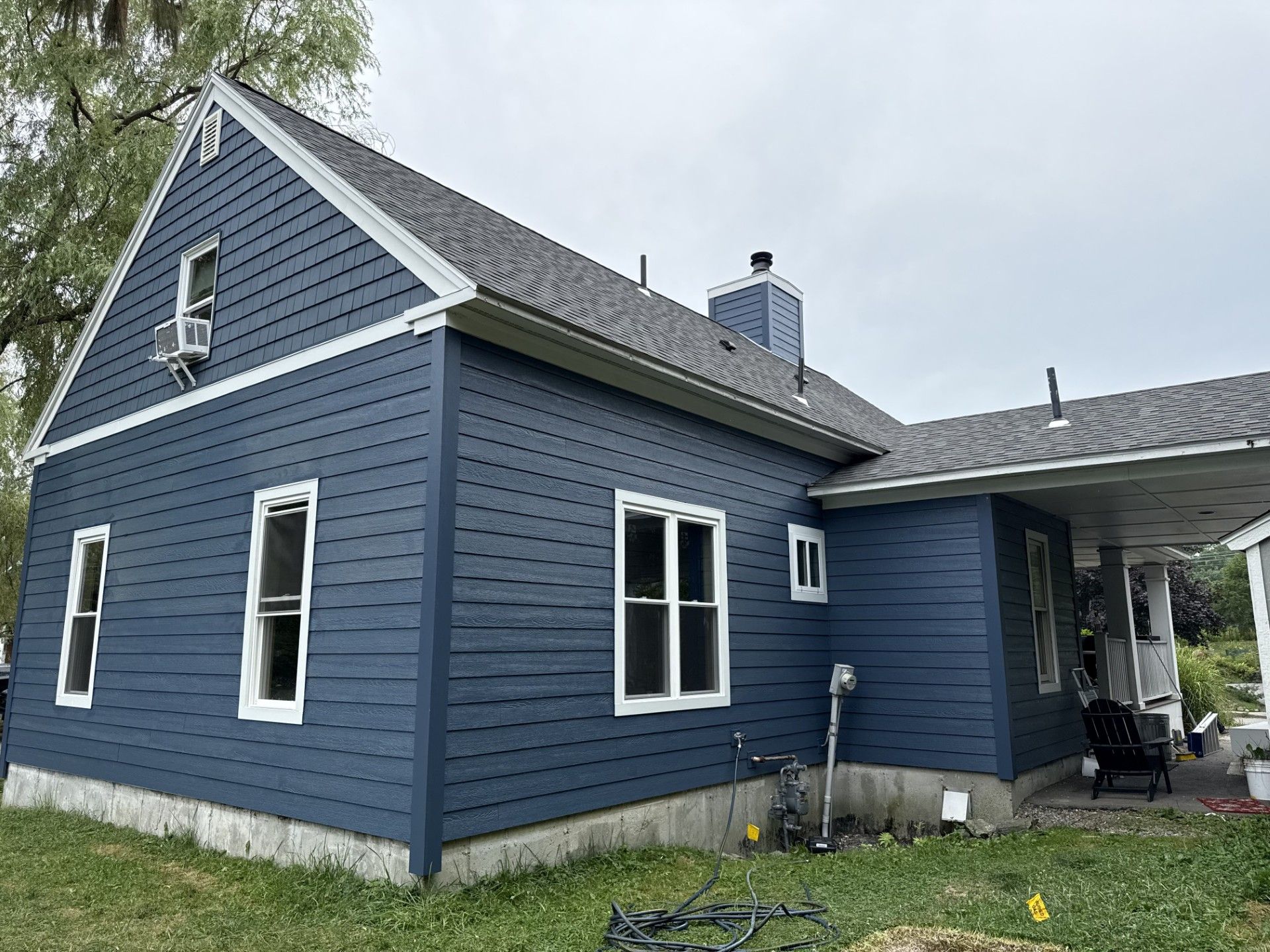
Your roof works harder in Maine than almost anywhere else in the country. Between heavy winter snow loads, ice dams, coastal humidity, and the constant freeze-thaw cycle, it takes a real beating year after year. The problem is that most roofs don't fail all at once — they wear down slowly, and by the time you notice a leak in your ceiling, the damage underneath may already be extensive.
Knowing what to look for can save you thousands of dollars in repairs and help you plan a replacement on your own timeline, rather than scrambling after an emergency. Here's what to watch for.
1. Your Roof Is Nearing (or Past) Its Expected Lifespan
Every roofing material has a general life expectancy:
- Asphalt shingles: 20–25 years
- Architectural/dimensional shingles: 25–30 years
- Wood shakes: 25–30 years
- Metal roofing: 40–70 years
- Rubber/membrane roofing (common on additions and flat sections): 15–25 years
If you know your roof's age and it's approaching the upper end of its expected range, it's worth having it inspected even if you haven't noticed any problems yet. Maine's climate tends to shorten these lifespans compared to milder regions, since freeze-thaw cycles place extra stress on roofing materials throughout the winter.
2. Shingles Are Curling, Cracking, or Missing Granules
Walk around your house and look up. Shingles that are curling at the edges, cracking, or losing their protective granules (you may notice this as sand-like debris in your gutters) are past their functional life. Once granules wear away, shingles lose their ability to reflect UV rays and shed water effectively, which accelerates deterioration.
3. You're Dealing with Ice Dams Every Winter
Ice dams are one of the most common roofing issues we see in Maine. They form when heat escapes from your attic, melts snow on the roof, and that water refreezes at the colder eaves — creating a dam that forces water back up under your shingles. Occasional ice dams can sometimes be managed with better attic insulation and ventilation, but if you're seeing them every year along with water stains on interior ceilings, it's often a sign that your roofing system as a whole needs attention.
4. Visible Sagging
A sagging roofline is never something to wait on. It can indicate structural damage to the roof deck, often from prolonged moisture exposure, and it's a sign the roof needs professional evaluation right away. This is one of the few roofing issues that can pose a safety risk if ignored.
5. Daylight in the Attic or Water Stains
Head up into your attic on a sunny day. If you can see daylight coming through the roof boards, water is getting in too. Similarly, water stains, dark streaks, or mold on the underside of the roof deck are strong indicators of an active leak, even if you haven't noticed anything yet from inside your living space.
6. Rising Energy Bills
An aging or poorly ventilated roof can let conditioned air escape and outside temperatures in, especially in older homes. If your heating bills have been climbing without an obvious explanation, your roof and attic insulation are worth a look.
7. Neighbors Are Replacing Their Roofs
If homes in your neighborhood were built around the same time and you're starting to see new roofs go up nearby, it's a reasonable signal that roofs in the area are reaching the end of their lifespan, especially if you're all dealing with the same weather exposure.
Repair or Replace?
Not every issue on this list means you need a full replacement. A few missing shingles after a storm or an isolated leak can often be repaired. But if you're facing several of these signs at once, or if repairs are becoming a recurring expense, a full roof replacement is usually the more cost-effective choice in the long run. It also gives you the opportunity to upgrade materials, improve attic ventilation, and address any underlying issues before they cause damage to the rest of your home.
When to Call a Professional
The safest way to know for sure is to have your roof inspected by an experienced contractor. A thorough inspection will look at your shingles, flashing, decking, attic ventilation, and insulation to give you an honest picture of your roof's condition and how much time you realistically have left.
At M & Son Construction, we've spent 20 years helping homeowners across Portland, South Portland, Cape Elizabeth, Falmouth, Yarmouth, and the surrounding Maine communities keep their roofs in top shape — from targeted repairs to full replacements built to handle everything a Maine winter can throw at them.
Not sure where your roof stands? Contact us today for a free estimate and honest assessment.