Siding Materials Compared: What Holds Up Best in Maine's Climate
A Practical Guide for Homeowners Choosing Between Vinyl, Fiber Cement, Wood, and Engineered Wood
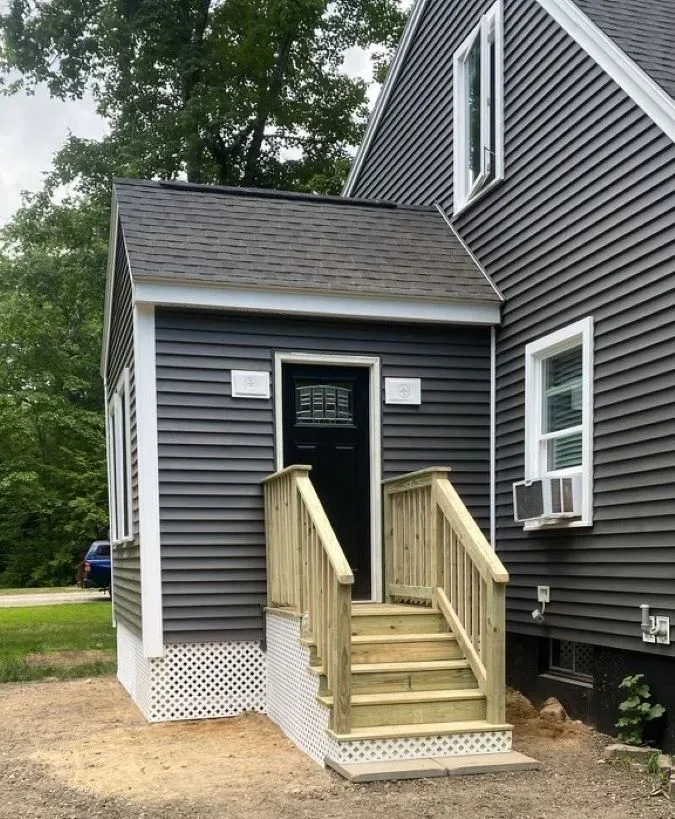
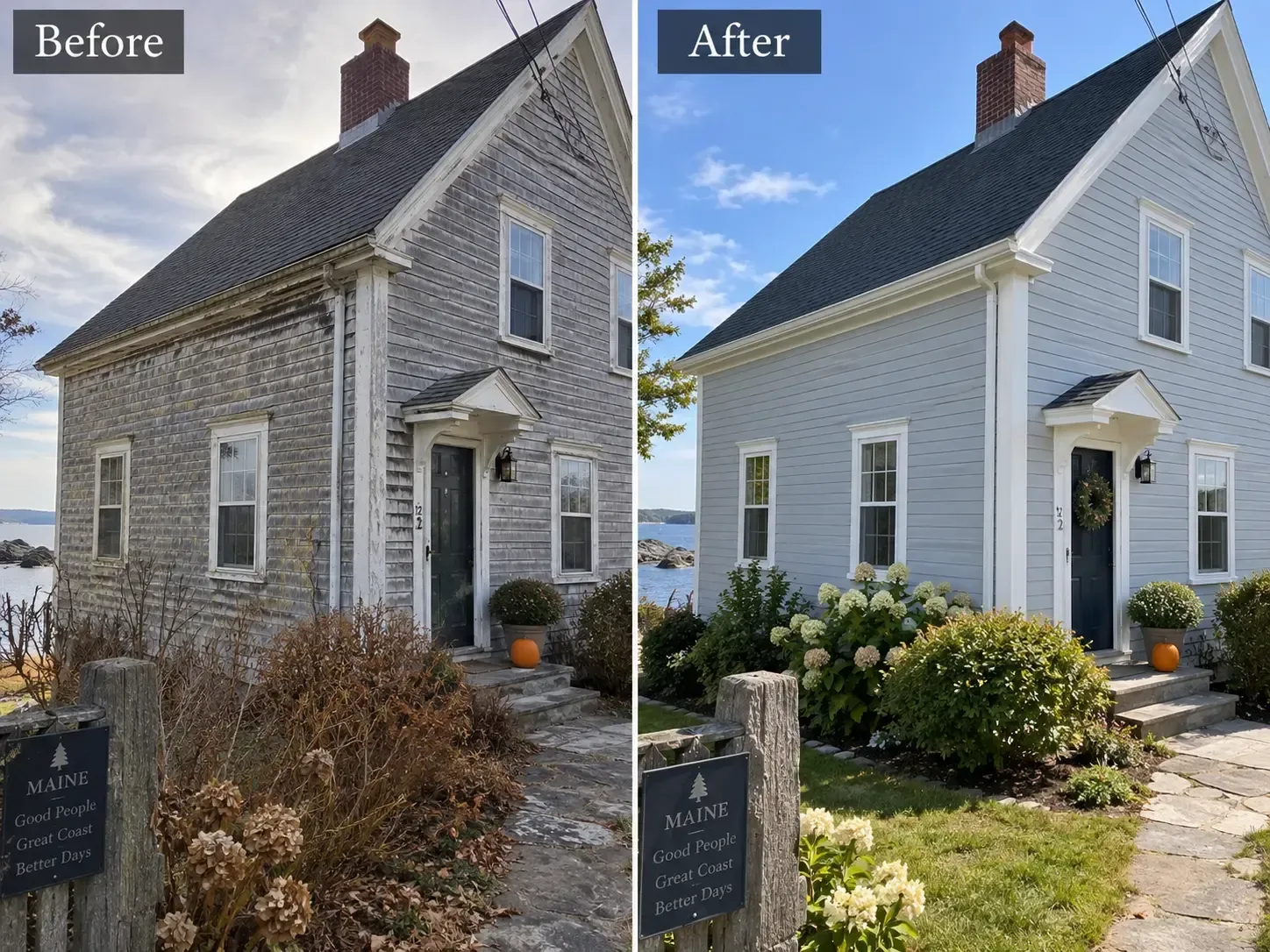
Siding does more than shape your home's curb appeal — it's your first line of defense against Maine's weather. Between salty coastal air, humid summers, and winters that swing between wet snow and hard freezes, not every siding material performs the same way here as it might in a milder climate.
If you're planning a siding replacement, here's how the most common options actually hold up in Maine conditions.
Vinyl Siding
Best for: Budget-conscious homeowners who want low maintenance
Vinyl remains one of the most popular siding choices in Maine, and for good reason. It's affordable, requires virtually no painting or sealing, and resists moisture damage since it doesn't absorb water the way wood does. Modern vinyl is also engineered to withstand cold temperatures without becoming as brittle as older versions once did.
The tradeoff: in coastal areas, prolonged salt spray exposure can dull the finish over time, and extreme cold snaps can occasionally cause cracking on impact (from hail or debris, for example). It's also less flexible for homes seeking a high-end, custom look.
- Lifespan: 20–40 years
- Maintenance: Occasional washing
- Coastal performance: Good, with some fading over decades
Fiber Cement Siding
Best for: Homeowners who want durability and a wood-like appearance without wood's upkeep
Fiber cement (brands like James Hardie are common in Maine) has become a favorite for homes near the coast because it doesn't rot, warp, or attract insects, and it holds up exceptionally well against moisture and salt air. It's non-combustible, dimensionally stable through temperature swings, and can be painted in nearly any color.
The tradeoff: it costs more upfront than vinyl and is heavier, so installation requires more labor and expertise. It also needs repainting every 10–15 years depending on exposure.
- Lifespan: 30–50 years
- Maintenance: Repainting every 10–15 years
- Coastal performance: Excellent
Wood Siding
Best for: Historic homes and homeowners prioritizing traditional aesthetics
Wood siding (cedar clapboard is common on older Maine homes) has an authentic, classic look that's hard to replicate. Cedar in particular has natural resistance to moisture and insects, which helps it perform reasonably well in New England climates.
The tradeoff: wood requires the most ongoing maintenance of any option on this list. It needs regular painting or staining, and consistent humidity or freeze-thaw cycles can lead to warping, cracking, or rot if maintenance lapses even for a season or two. For homeowners restoring a historic property, it's often worth the extra care; for those wanting a "install and forget it" option, it's usually not the best fit.
- Lifespan: 20–40 years with diligent maintenance
- Maintenance: Repainting/staining every 3–7 years
- Coastal performance: Fair to good, maintenance-dependent
Engineered Wood Siding
Best for: Homeowners who want the wood look with better durability
Engineered wood (such as LP SmartSide) is made from wood fibers treated with resins and zinc borate for moisture and insect resistance, then finished with a factory-applied coating. It offers much of wood's classic appearance with meaningfully better resistance to the swelling, cracking, and rot that untreated wood can experience in humid, freeze-thaw climates.
The tradeoff: while more resistant than traditional wood, it still requires more upkeep than vinyl or fiber cement and can be vulnerable to moisture damage if the factory finish is compromised and not promptly repaired.
- Lifespan: 25–30 years
- Maintenance: Periodic inspection and touch-up
- Coastal performance: Good
Which Siding Is Right for Your Home?
The best choice usually comes down to three things: your budget, how much maintenance you're willing to take on, and how close your home is to the coast. Homes in salt-air areas like York, Kittery, or Wells often benefit most from fiber cement's corrosion resistance, while inland properties have more flexibility to consider vinyl or engineered wood without as much concern about salt exposure.
Whatever direction you're leaning, proper installation matters just as much as the material itself. Even the best siding will underperform if it's not installed with the right flashing, moisture barriers, and ventilation behind it — details that make a real difference in a climate like Maine's.
At M & Son Construction, we've installed and replaced siding on homes throughout Portland, South Portland, Cape Elizabeth, Falmouth, Yarmouth, and the surrounding communities for 20 years, and we can help you weigh these options against your home's specific exposure and needs.
Ready to talk siding options? Contact us today for a free estimate.