Is Your Siding Actually Protecting Your Home — or Just Covering It?
A Homeowner's Guide to Siding Materials, Warning Signs, and Replacement Timing in Southern Maine
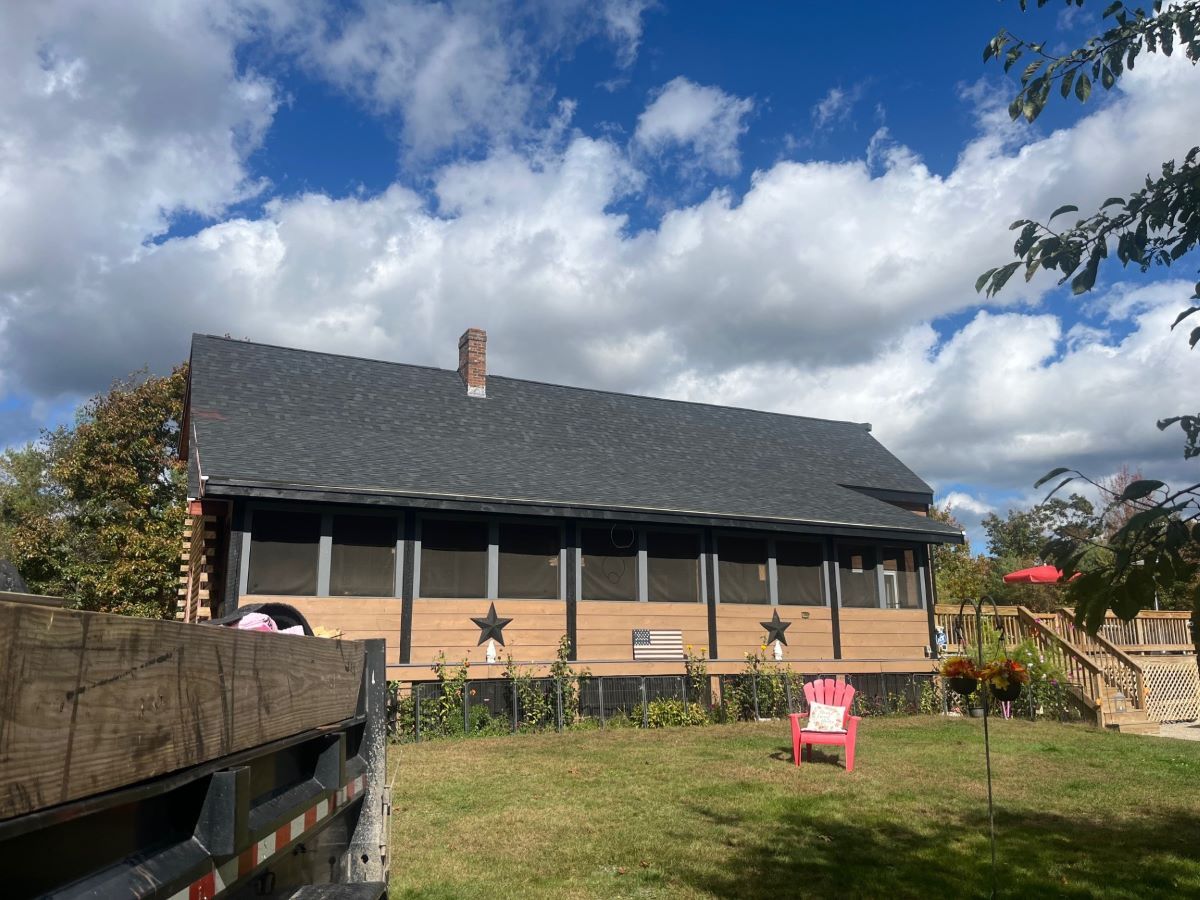
Siding does more work than most homeowners give it credit for. Beyond curb appeal, it's the first line of defense between your home's structure and everything Southern Maine's weather throws at it — driving rain, coastal humidity, repeated freeze-thaw cycles, and wide seasonal temperature swings. When siding starts to fail, the visible problem (fading, warping, a section that's come loose) is rarely the real story. The real story is usually what's happening behind it, where moisture can reach sheathing, framing, and insulation long before it shows up as a stain on an interior wall.
We install and replace siding for homeowners throughout Portland, South Portland, Scarborough, Cape Elizabeth, Falmouth, Westbrook, Gorham, and the surrounding communities, and the projects that turn into the most extensive (and expensive) repairs are almost always the ones where siding issues sat unaddressed for a few too many seasons. Here's how to tell where your siding actually stands, and what's worth knowing before you replace it.
Why Siding Failure Is a Structural Issue, Not Just a Cosmetic One
Siding's main job is shedding water away from your home's structure. When it fails — through cracks, gaps, warping, or failed caulking at seams and trim — water can work its way behind it and reach the house wrap, sheathing, and framing underneath. In Maine's climate, that moisture doesn't just sit there: it goes through repeated freeze-thaw cycles that expand cracks, promotes rot in wood sheathing and framing, and can create conditions for mold growth inside wall cavities, all of it hidden behind an exterior that might still look passable from the curb.
This is why siding problems tend to get more expensive the longer they're ignored. Replacing siding on schedule is a materials-and-labor cost. Replacing siding after water damage has reached the sheathing or framing behind it means tearing out and rebuilding structure that was never supposed to get wet in the first place.
Signs Your Siding Needs Attention
A few things worth checking from the ground (and up close, if you can safely get there):
- Warping, buckling, or bowing panels. Siding that no longer lies flat against the wall often signals moisture trapped behind it, or a material that's reached the end of its structural life.
- Cracking or splitting. Especially common on the sunniest, most weather-exposed walls, where UV exposure and temperature swings take the biggest toll.
- Fading that won't come back with cleaning. Some color loss is normal over time, but siding that looks chalky or dramatically lighter than when it was installed has likely also lost some of its protective properties, not just its color.
- Look for gaps, loose panels, or missing pieces. Any opening in the siding is a direct path for wind-driven rain, especially during Maine's fall and winter storms.
- Soft spots or visible rot, particularly near the bottom of walls. Wood and engineered wood siding are most vulnerable here, where snow and rain sit longest against the material.
- Peeling paint or bubbling on interior walls. This is often the first indoor sign that moisture is getting through the exterior somewhere, even if the siding itself looks fine from outside.
- Rising heating and cooling bills with no other explanation. Failing siding and the house wrap behind it can compromise your home's air barrier, not just its water barrier.
Material Options for a Maine Home
Vinyl siding remains the most common and most budget-friendly option, with a wide range of colors and profiles, minimal maintenance, and reasonable performance in this climate when properly installed with room to expand and contract with temperature swings. It's less impact-resistant than other materials and can become brittle in extreme cold.
Fiber cement siding (such as James Hardie and similar products) has become increasingly popular in Southern Maine for its durability, fire resistance, and ability to hold paint and color well over time. It costs more upfront and is heavier to install than vinyl, but typically outlasts it and holds up well against coastal moisture and temperature cycling.
Wood and cedar shingle siding offers a classic New England look that many homeowners specifically want, particularly on coastal and historic-style homes. It requires more ongoing maintenance — staining or sealing on a regular cycle — to resist rot and insect damage, but ages well when properly maintained.
Engineered wood siding splits the difference: a wood-fiber-based product engineered for better moisture and impact resistance than traditional wood, at a mid-range price point, though it still requires more upkeep than vinyl or fiber cement.
What a Proper Siding Installation Actually Includes
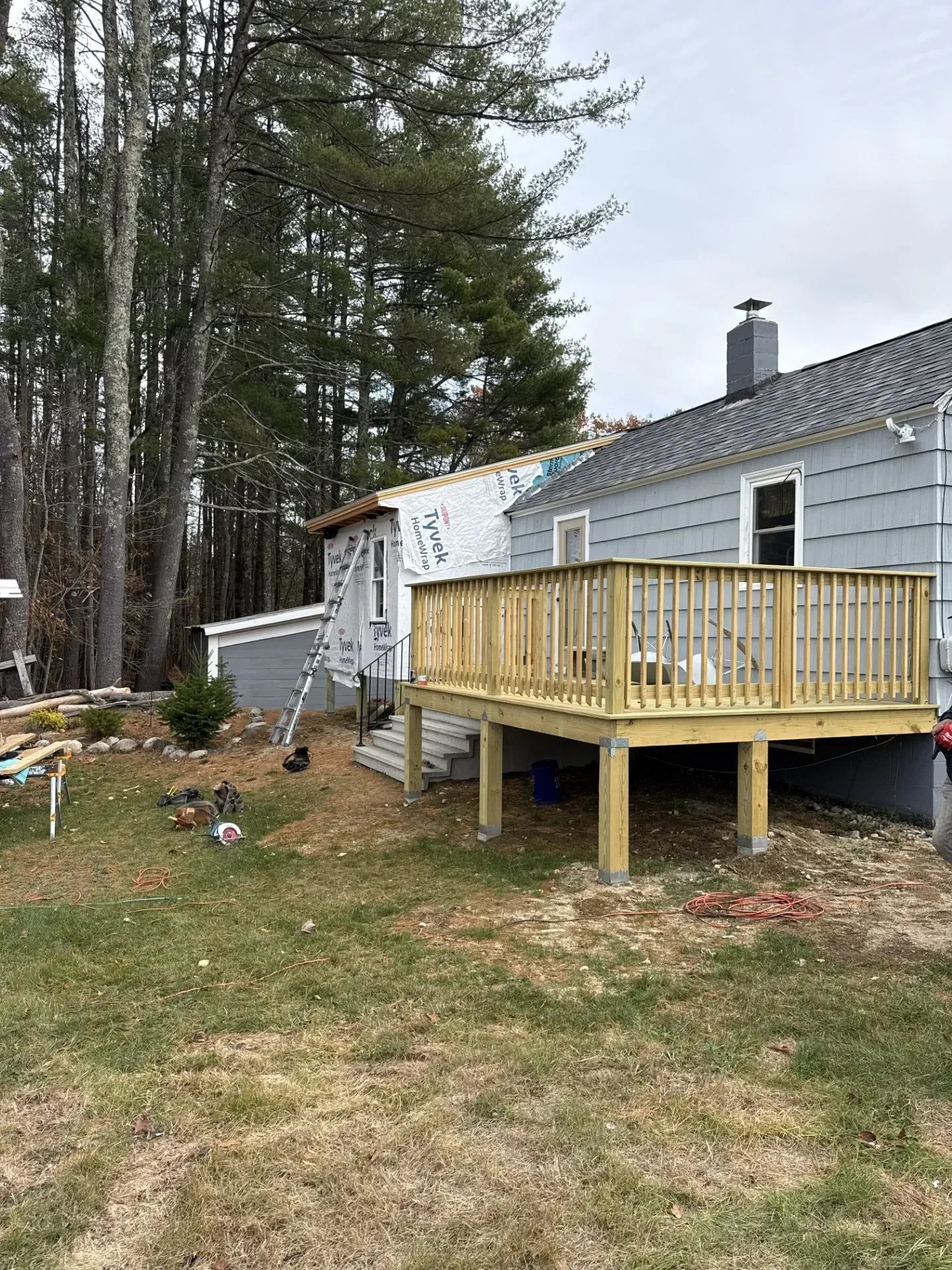
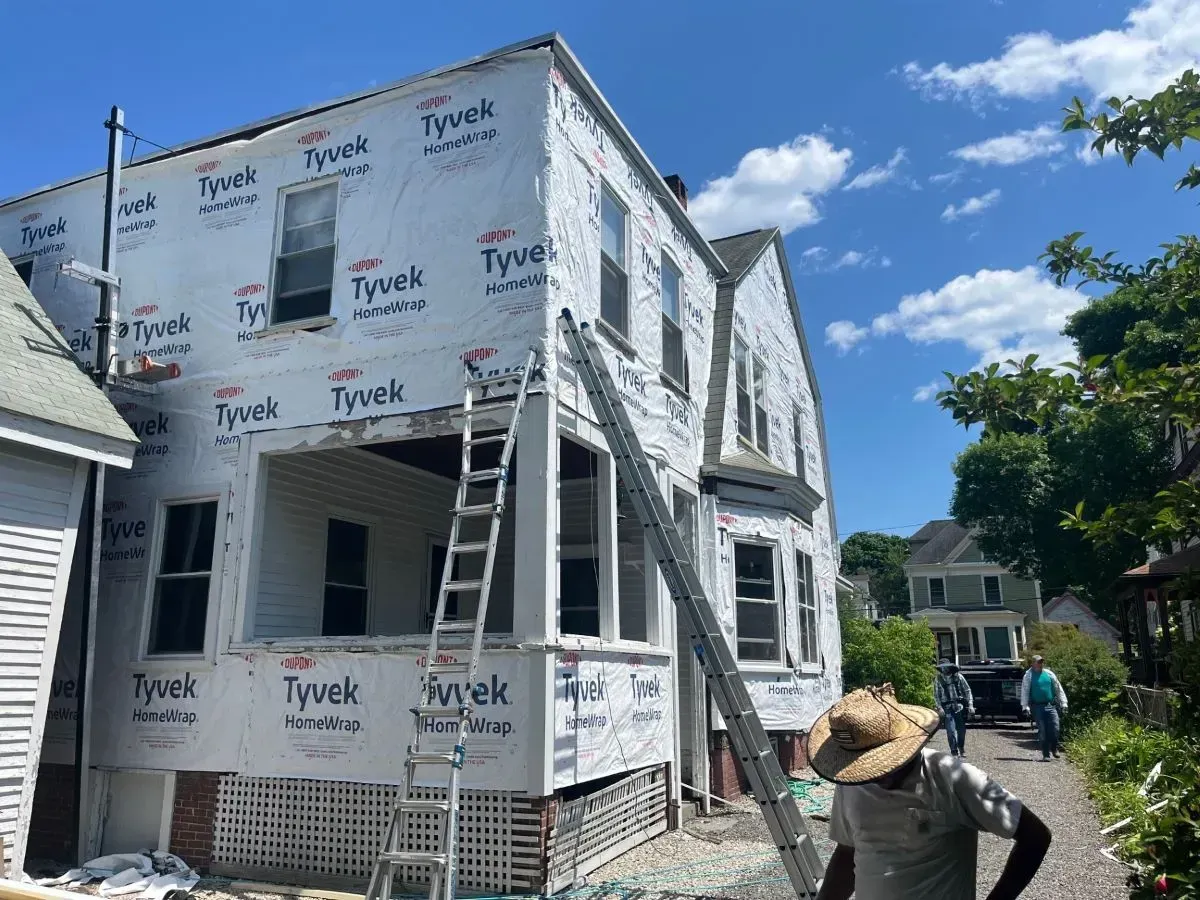
The siding panels themselves are only part of what determines how well a wall assembly performs. A proper installation also includes a correctly installed house wrap or weather-resistant barrier behind the siding, flashing at every window, door, and roofline intersection to direct water away from vulnerable seams, and — increasingly standard in this climate — a rain screen gap that lets any moisture that does get behind the siding drain and dry out rather than sitting against the sheathing. Skipping these details in favor of just swapping old panels for new ones is one of the most common ways a siding job underperforms regardless of how good the material itself is.
Why Fall Is a Smart Time to Replace Siding
Siding installation is less weather-restricted than some exterior work, but fall still has real advantages: caulking and sealants used around trim, windows, and seams cure more reliably in fall's moderate temperatures than in deep winter cold; contractor schedules are typically more open before the winter rush hits; and replacing siding before winter means your home's air and water barrier is in good shape heading into the season when it matters most — rather than patching through one more winter with known gaps or damage.
Cost and Timeline Expectations
Siding costs vary significantly based on material, the size and complexity of your home's exterior, and how much (if any) sheathing repair is needed underneath, so an accurate number requires a site visit. As general reference points, vinyl siding installation typically runs $7–$12 per square foot installed, fiber cement generally runs $9–$16 per square foot, and wood or cedar shingle siding often runs higher still, depending on the grade and profile. Most full siding replacements on an average-sized home take one to two weeks, though this can extend if sheathing repair, extensive trim work, or a larger or more complex home exterior is involved.
Getting Started
If your siding is showing its age, or you've noticed soft spots, gaps, or unexplained changes in your heating bills, it's worth having someone look at what's happening on the surface and behind it before winter weather adds more stress to an already compromised wall. We'll walk you through what's cosmetic, what's a real moisture concern, and what a straightforward replacement would look like for your specific home.
Frequently Asked Questions
How do I know if my siding needs to be replaced instead of repaired? Isolated damage — a few cracked panels or a loose section — can often be repaired or patched. Widespread warping, soft spots, fading across multiple walls, or evidence of moisture reaching the sheathing behind the siding typically point to full replacement being the more reliable long-term fix.
What's the most durable siding material for Maine's climate? Fiber cement siding is generally considered the most durable option for Southern Maine's combination of coastal humidity, freeze-thaw cycles, and temperature swings, though vinyl performs well at a lower price point and wood offers a traditional look for homeowners willing to maintain it.
Can siding be installed in cold weather? Vinyl siding, in particular, needs room to expand and contract, so installing in very cold temperatures requires extra care to avoid over-tightening panels. Fall generally offers more reliable conditions for both installation and the caulking and sealants used around trim and seams.
How long does a siding replacement take? Most full siding replacements on an average-sized home take one to two weeks, depending on the home's size, the complexity of the exterior, and whether any sheathing or structural repair is needed underneath.
Does new siding actually affect my home's energy efficiency? Yes, indirectly — a properly installed siding system includes a house wrap and air barrier that play a meaningful role in preventing drafts and moisture intrusion. Failing siding can compromise that barrier well before it's visibly falling apart.