Why Do Contractor Quotes Vary So Much?
How to Read a Construction Estimate and Compare Bids Fairly
You've called two or three contractors, and the quotes come back thousands of dollars apart for what sounds like the same job. It's frustrating, and it leads to a natural question: is the cheaper one a better deal, or is the higher one overcharging?
The honest answer is that quotes rarely describe the same job, even when they sound identical. A roof replacement, a siding project, or an addition can be built many different ways, with different materials, prep work, crews, and levels of protection for you. Price differences usually come from those details, not from one contractor simply charging more. Here's how to read an estimate and compare bids on equal footing.
Start With Scope: What Exactly Is Being Done?
Scope is the single biggest reason quotes differ. Two bids that both say "replace roof" may be very different underneath.
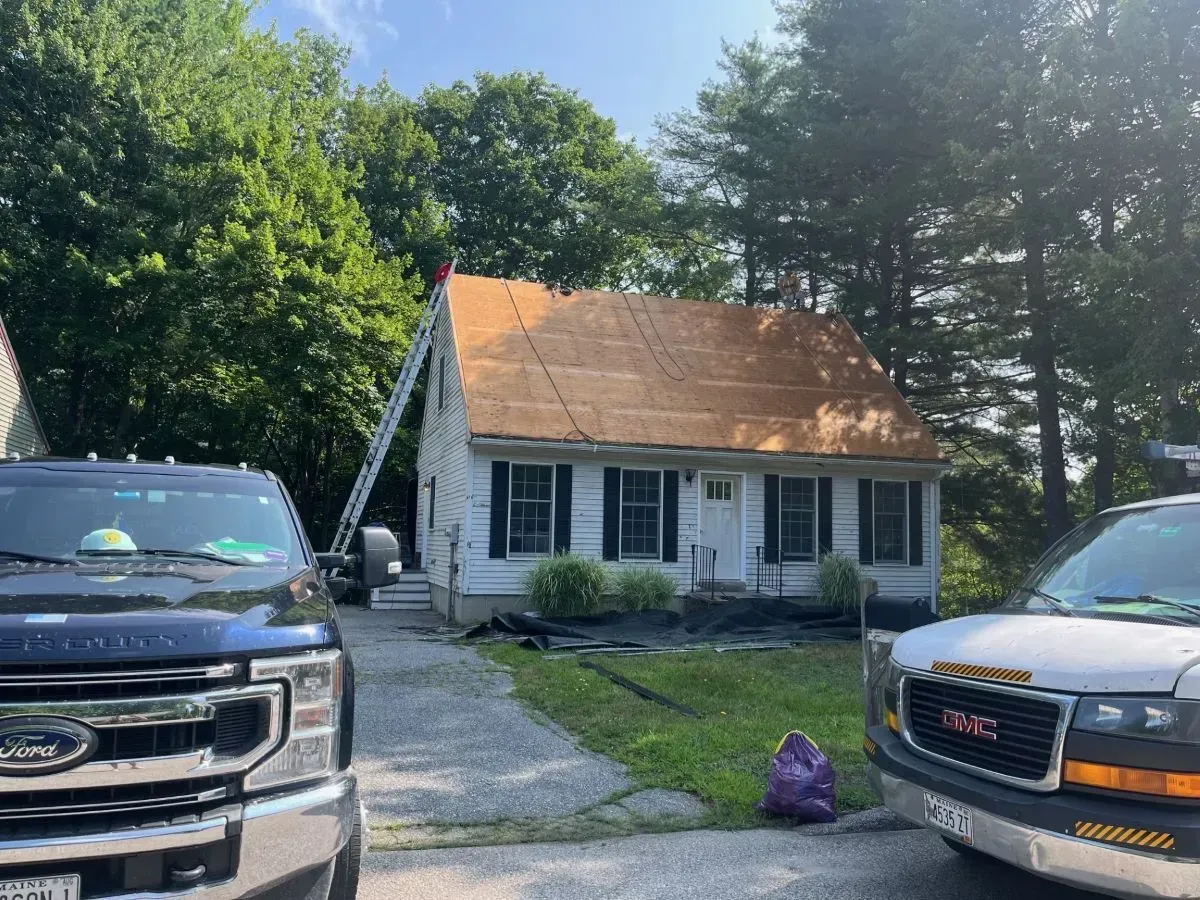
- Tear-off vs. overlay. Does the quote include removing the old material completely, or covering it? Removing it lets the contractor inspect the decking underneath, which is where hidden problems show up.
- Repairs to hidden damage. Does the price include replacing rotted sheathing, decking, or trim if it's found, and at what cost per unit? Or is it excluded and handled as an extra later?
- Related components. Flashing, vents, drip edge, underlayment, house wrap, trim, and gutters can be included, itemized, or left out entirely.
- Disposal and cleanup. Hauling away debris and magnet-sweeping for nails are real costs. Some quotes include them; others don't.
If one quote lists fewer line items, that doesn't make the job simpler. It may mean the missing pieces will appear later as change orders.
Materials: Same Category, Different Product
"Architectural shingles," "vinyl siding," and "composite decking" each cover a wide range of quality, warranty, and price.
- Brand and product line. A manufacturer's entry-level line and premium line can differ meaningfully in thickness, durability, and warranty length.
- Grade and thickness. In siding and decking especially, thicker or higher-grade products cost more and often last longer.
- Color and profile. Specialty colors and profiles can carry upcharges.
- Fasteners and hardware. Coastal-rated or stainless fasteners cost more than standard ones but matter in salt-air areas of Southern Maine.
Ask each contractor to name the exact product. Without that, you can't compare prices fairly, and you can't compare warranties.
Labor, Crew, and Experience
Labor is usually the largest part of an exterior project's cost, and it varies for good reasons.
- Who does the work. A company's own trained crew costs differently than subcontracted labor or day-rate help, and quality control differs too.
- Experience level. Experienced installers work more carefully around details like flashing, valleys, and window trim, where most leaks and failures begin.
- Pace and care. A crew that protects landscaping, cleans up daily, and fixes problems promptly is part of what you're paying for.
A lower labor cost can reflect efficiency, or it can reflect shortcuts. Ask how the work is done and by whom.
Insurance, Licensing, and Overhead
Some of a quote's price is invisible but important.
- Insurance. Carrying general liability and workers' compensation insurance costs real money. A contractor without proper coverage may quote lower, and you take on the risk.
- Permits and compliance. Pulling permits, scheduling inspections, and following code take time. A quote that skips them may look cheaper, but it can create problems at resale or with insurance claims.
- Warranty support. A company that offers a real workmanship warranty has to budget to honor it, which means being around years from now.
None of this appears as a line item, but it's part of why a stable, established company may quote higher than someone operating without it.
Timeline, Scheduling, and Weather
Price can also reflect when and how the work will be scheduled.
- Availability. A contractor with a full calendar may price differently than one with open dates.
- Season. Exterior work in Southern Maine is weather-dependent, and demand peaks in warmer months and just before winter.
- Material lead times. Special-order windows, doors, or siding may need to be ordered weeks in advance.
A quote with an honest timeline is usually better than one promising an unrealistically fast start.
How to Compare Two Bids Side by Side
Here's a simple method that works on almost any project:
- Ask each contractor for a written, itemized estimate using the same list of questions.
- Put the quotes in a simple table with rows for scope, materials (brand and line), tear-off and disposal, permits, insurance, warranty, timeline, and payment terms.
- Mark every gap. Where one quote has an item and another doesn't, ask the second contractor whether it's included, excluded, or priced as an allowance.
- Adjust for what's missing. Add the cost of omitted items to the lower bid to see a closer apples-to-apples number.
- Weigh the non-price factors. Communication, responsiveness, reviews, and references all matter as much as the number.
What About Allowances and Unit Prices?
Some estimates include allowances, which are placeholder amounts for items not yet selected or priced, such as tile, fixtures, or hidden repairs. Others use unit prices, such as a set cost per sheet of decking replaced if rot is found. Both are legitimate. What matters is that they're written down, so you know in advance how surprises will be priced.
When the Lowest Quote Is Actually Fine
A lower price isn't automatically a red flag. A contractor with lower overhead, an efficient crew, or an open schedule can offer a fair price on the same scope. The key is that the scope, materials, insurance, and warranty match. If they do, a lower number is simply a better deal. If they don't, the difference probably shows up later.
Getting Started
If you're comparing quotes now, we're happy to look at the estimates you've received and help you spot the differences, even if you're not planning to hire us. When you're ready, we'll walk your property, put the scope, materials, and timeline in writing, and explain every line.
Frequently Asked Questions
Why is one contractor's quote so much higher than another's? Usually the scope, materials, or what's included differs. One quote may include full tear-off, disposal, permits, higher-grade materials, and a workmanship warranty, while another leaves some of those out. Comparing the details line by line explains most gaps.
Should I always go with the cheapest bid? Not automatically, but don't automatically avoid it either. If the scope, materials, insurance, and warranty match the other quotes, a lower price may simply be a good deal. If they don't, extras or later problems may offset the savings.
What is a change order? A change order is a written agreement to change a project's scope or price after it starts, often because of hidden conditions like rot or a homeowner-requested change. Good contractors document and get approval for changes before doing the extra work.
What should an itemized estimate include? Scope of work, named materials (brand and product line), tear-off and disposal, permit responsibility, timeline, payment terms, warranty details, and how unforeseen conditions will be priced.
Is it okay to ask a contractor to match a lower bid? It's fair to ask, but first make sure the scopes match. A better question is often "What's different about your quote, and why?" The answer tells you a lot about both the contractor and the job.